The Propeller / Why It Worked
Research-Backed Strategies for Transforming Conflict Systems
Project Details
Why It Worked: Research-Backed Strategies for Transforming Conflict
How can societies rebuild after decades of violent conflict? How do communities move beyond cycles of mistrust, grievance, and stalled negotiations to create durable peace? And what does it actually take—not just to sign an agreement—but to transform the systems, identities, and institutions that sustained the conflict in the first place?
The Propeller Toolkit
The Propeller Toolkit offers a research-driven answer to these questions. Developed by NCRC and based on the multi-university Why It Worked initiative, it distills lessons from some of the world’s trickiest—protracted, asymmetric, and ethnonational or identity-based—conflicts into a practical, systems-based framework.
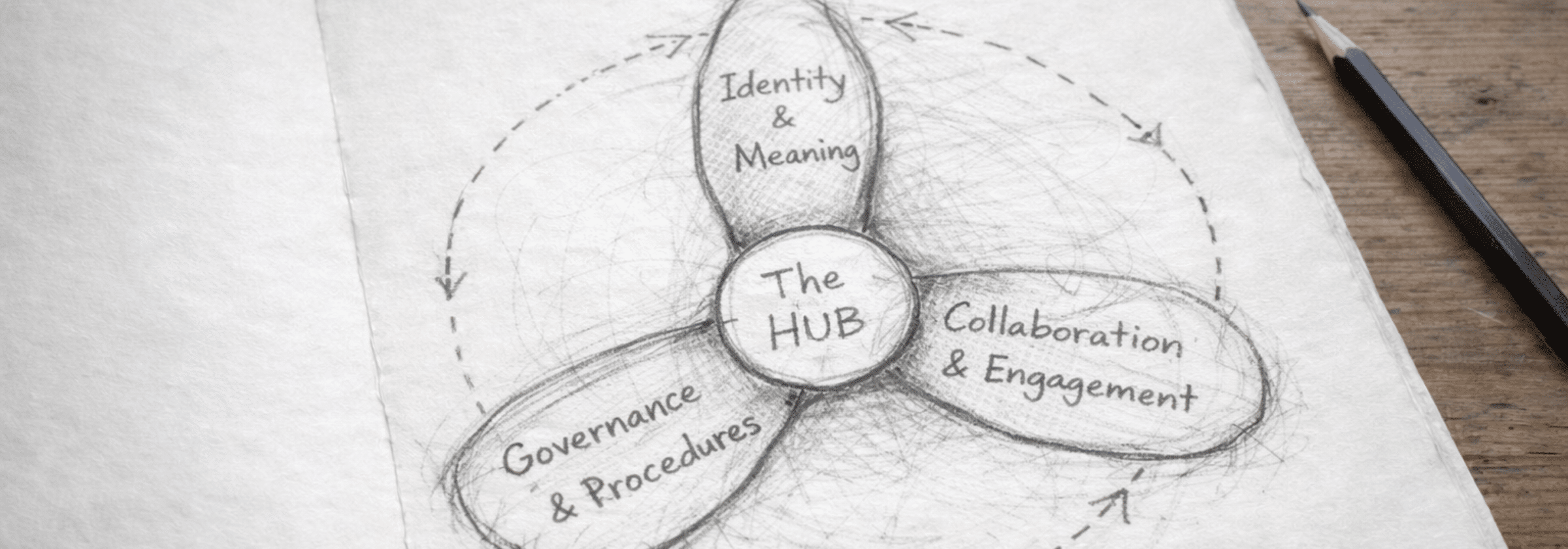
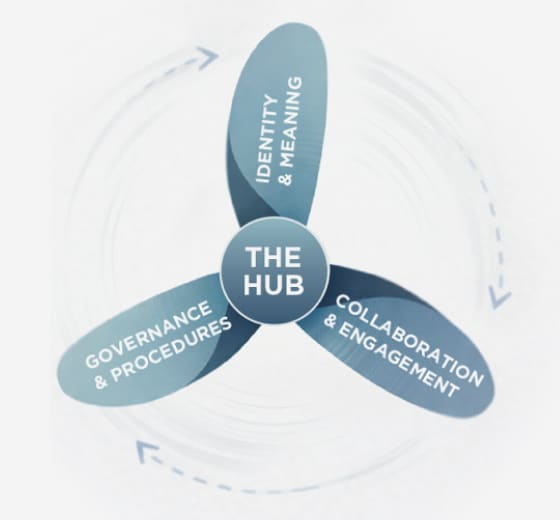
Rather than simply asking why peace fails or succeeds, The Propeller Toolkit equips practitioners, policymakers, and educators with diagnostic tools and intervention strategies to generate momentum across three interdependent domains—Identity and Meaning, Collaboration and Engagement, and Governance and Procedures. Designed for flexible, real-world application, it provides the conceptual clarity and actionable guidance needed to move complex systems from gridlock toward lasting transformation.
Why It Worked
Why It Worked is a pioneering global research initiative that distills key lessons from the world’s most intractable conflicts over the past seventy years, offering evidence-based insight into what drives successful transitions from violence to durable peace.
Since 1946, more than 300 armed conflicts have erupted worldwide. Yet only a small fraction have ended through comprehensive peace agreements and fewer still have remained free from renewed violence. Understanding what makes these rare successes possible is at the heart of our work.
Our research focused specifically on conflicts that are protracted, asymmetric, and ethnonational—cases that lasted more than twenty years, involved significant power disparities between parties, and were rooted in deep ethnic or national identity divisions. These are precisely the conflicts where conventional approaches most often fail. By examining the shared patterns across the few cases that achieved durable peace, we uncover the strategic, institutional, and relational shifts that made transformation possible—even in the most deeply divided societies.
The Negotiation and Conflict Resolution Collaboratory (NCRC) at Harvard Kennedy School designed and led the Why It Worked initiative, along with Bridging Insights, Inc. who devised and funded the research, convening a multi-university research consortium of five leading global institutions.
Together, these teams examined protracted conflicts through complementary, interdisciplinary lenses:
Land and Resources, University of Delaware:
How do parties in conflict relate to their natural environment?
Identity and Religion, George Mason University
How do parties in conflict see themselves and one another?
Power and Leadership, Harvard University
How do parties in conflict relate to, lead, and engage with others?
Track II Negotiations, University of Ottawa
How did informal and less formal spaces contribute to the peace process?
Process and Negotiation, Uppsala University
How do parties in conflict build a sustainable peace?
Our Why It Worked research findings are now available in a Special Issue of Negotiation Journal, published by MIT Press in collaboration with Harvard Law School’s Program on Negotiation.With the launch of the Negotiation and Conflict Resolution Collaboratory, we took our mission outside the doors of HKS.
This special issue highlights insights from an ambitious multi-university study examining what makes peace processes succeed in the world’s most intractable conflicts. The issue explores key themes such as leadership and power dynamics, religion and identity, land and resources, and informal negotiation processes—offering practical strategies for lasting conflict transformation.
NCRC is focused on building upon this foundation and bringing The Propeller Toolkit and the Why It Worked body of research to create innovative tools, convene global thought-leaders, and equip local leadership capacity.
CREATE
Develop practical tools like The Propeller Toolkit to apply research, diagnose conflict systems, and design scalable interventions.
CONVENE
Facilitate global convenings and train peacebuilders through targeted workshops, conferences, and symposia, which foster shared understanding and drive collaboration.
EQUIP
Host workshops, seminars, and interactive forums to equip students and leaders with tools and knowledge to address the root causes of conflict and implement sustainable solutions.
Ready to Make an Impact?
Join us in applying decades of research to real-world peacebuilding efforts and create tailored, impactful solutions that drive lasting peace. Learn more by reading the Why It Worked one-pager or email our team at collaboratory@hks.harvard.edu.
About the Initiative
Why It Worked was devised and funded by Bridging Insights, Inc. and designed and led by Harvard Kennedy School’s Negotiation and Conflict Resolution Collaboratory.
Bridging Insights, Inc. is a registered nonprofit organization seeking to build a research-based model for conflict resolution to provide new ideas, paradigms, and methods of engagement applicable to practitioners in diverse conflicted areas.
Research Teams
Project Lead: Negotiation and Conflict Resolution Collaboratory, CPL, Harvard Kennedy School
Monica Giannone, Brian Mandell, Elan Kogutt, Anselm Dannecker, Tala Ram-Rainsford, Javier Muñoz
Department of Geography and Spatial Sciences, University of Delaware
Saleem H. Ali, Nancy Boyer, Gabriela Mundaca, Lynette de Silva
Carter School, George Mason University
Alpaslan Ozerdem, Marc Gopin, Karina V. Korostelina, Jeffrey Helsing
Negotiation Task Force, Davis Center for Russian and Eurasian Studies, Harvard University
Arvid Bell, Warisha Aslam
Ottawa Dialogue, University of Ottawa
Peter Jones, Julia Palmiano Federer
Uppsala University
Isak Svensson, Mimmi Soderberg Kovacs